Tai Nuare · Private OfferingPart I · Location

Bocas del Toro & the Islands

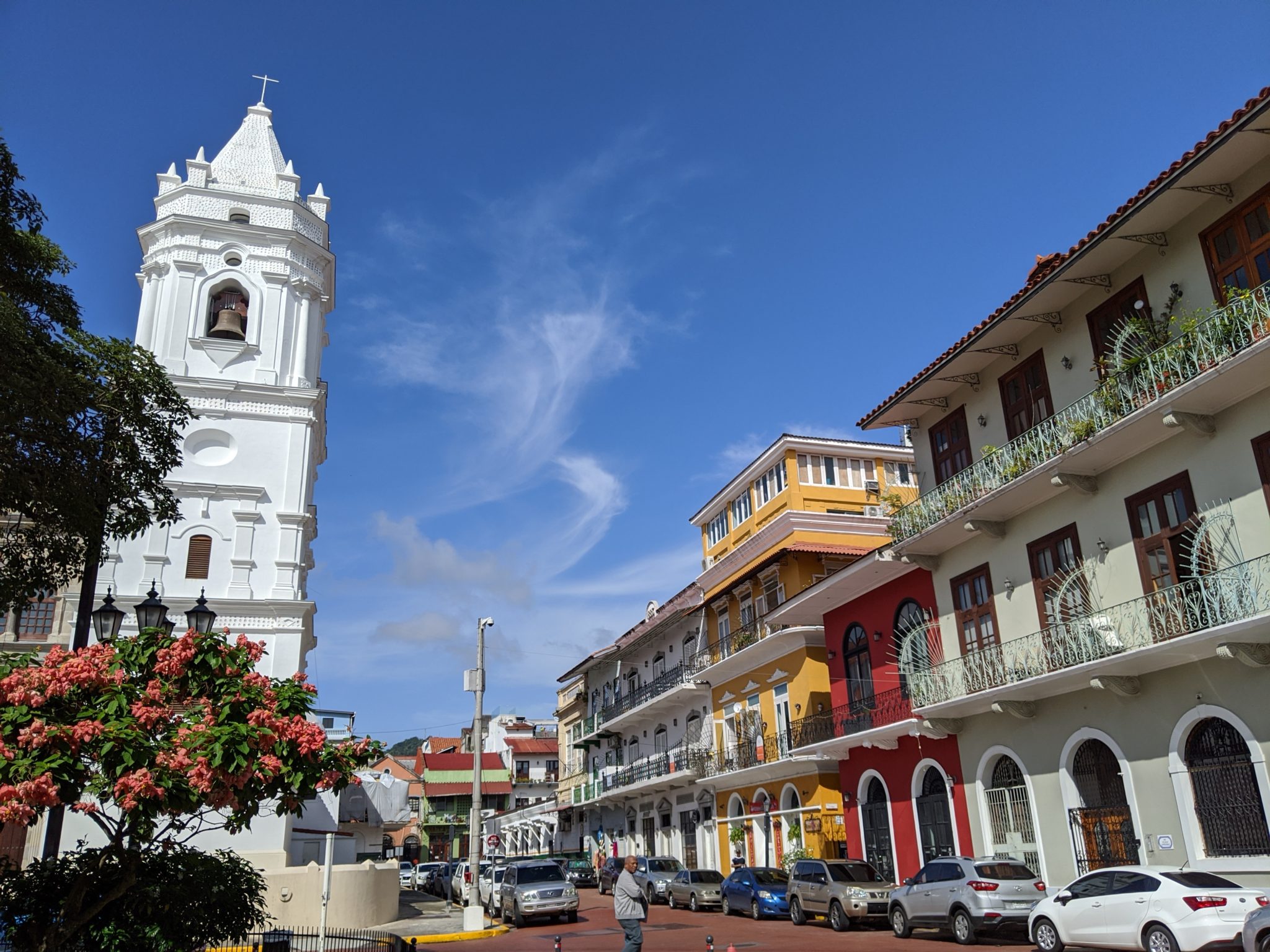
Bocas del Toro
The Galapagos of the Caribbean

Bocas del Toro is a stunning Caribbean archipelago known for its rich biodiversity, crystal-clear waters, and a blend of Spanish, Indigenous, and Afro-Antillean cultures.

🌿 Nature & Biodiversity

Starfish, sloths, toucans, dolphins 🐬
Coral reefs and marine ecosystems 🐚
Pristine beaches and jungle landscapes 🏝️

✈️ Location & Accessibility

40–50 min flights from Panama City or Costa Rica
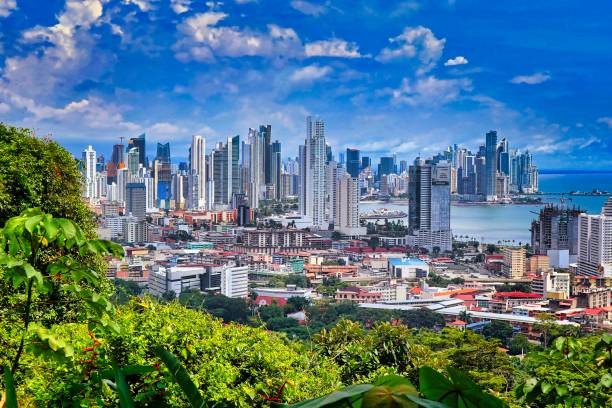
Strong international connectivity via Panama City 🌐

9Islands · Hundreds of Islets
40–50 minFlights from Panama City or Costa Rica
9°26'N · 82°14'WIsla San Cristóbal · Bocas del Toro
405Acres · The Tai Nuare Peninsula

“Bocas del Toro is underrated precisely because it is difficult to reach and impossible to replicate.”

This is not a resort destination that happens to have nature nearby. This is nature — with sanctuary woven into it. Within the archipelago, Tai Nuare occupies 405 acres of Isla San Cristóbal’s peninsula — twenty minutes by boat from Bocas Town, with its airport, hospital, and port.

The Tai Nuare Peninsula

Master Plan, Five Integrated Zones

Tai Nuare master plan map showing the five integrated zones: Tai Nuare North, Wildlife Sanctuary, Tai Nuare, Teak Farm, and Tai Nuare South
The master plan across the peninsula: Tai Nuare North, the Wildlife Sanctuaries, Tai Nuare, the Teak Farm, and Tai Nuare South.

Tai Nuare North

A private residential enclave across a 270 degree peninsula with nearly 1.5 miles of Caribbean coastline, centered on a permanently protected rainforest preserve with untouched freshwater lakes.

Wellness & Longevity Retreat

A low density retreat platform serving residents and a limited number of aligned guests, integrative wellness center, whole food healing restaurant, ceremonial event pavilion, and regenerative therapy spaces.

Tai Nuare South

A reserved future phase, held intentionally for optional rainforest ranches or limited retreat expansion under the same conservation and density principles.

Teak Grove & Regenerative Food Forest

Approximately 4,000 mature teak trees designated for on site construction. Post harvest, the land transitions into a multi canopy food forest supporting long term food resilience.

Four complete ecosystems compressed into a single walkable, swimmable, livable place, coral reef, mangrove estuary, tropical rainforest, and ridge highland rising to 118 m at Cerro Botabite II.

Seen from the water, Tai Nuare reads as a single living whole: a peninsula covered in lush, beautiful living rainforest, surrounded on every side by vibrant, living coral reef. The two systems, forest and reef, meet at the shoreline and sustain one another.

400+Marine Species in the Reef System
405Acres · Single Private Peninsula
550+Bird Species in the Region
118 mSummit at Cerro Botabite II

The Living World

The Marine Sanctuary

The sanctuary began at home. The founder declared the waters beneath and around his own home a marine sanctuary — no fishing, no anchors, no extraction of any kind. For the first time, fish had a safe place to reproduce, and life returned in force: rebuilt corals, dense schools of fish, and ancient sponges blooming in violets, oranges, and yellows. The overflow now seeds the surrounding waters, and local fishermen catch more today than they did before the sanctuary existed — protection that feeds its neighbors. Every overwater home carries the same designation: zero discharge construction, no anchor contact, no fishing or extraction of any kind, annual independent marine health assessments, and a permanent legal conservation easement on all marine adjacent land. An active coral restoration program is maintained by the community association.

The Teak Farm at Tai Nuare
The Teak Farm, 40 acres, ~4,000 mature trees.

The Teak Farm & Food Forest

A living ecological asset decades in the making: 40 acres holding ~4,000 mature Tectona grandis trees (15,000+ across all stages, 25+ years of growth). Trees are harvested selectively, never clearcut, and every board and beam goes directly into Tai Nuare's construction and furnishings. Each cleared space is immediately replanted as a layered permaculture food forest, becoming one of the most productive food ecosystems in the Caribbean.

The Guardian Tree, Ceiba pentandra
The Guardian Tree, Ceiba pentandra, ~350 years old, 150 ft tall.

The Guardian Tree

At the heart of Pachamama hill stands a 300 to 400 year old Ceiba pentandra, 150 feet tall with a root diameter exceeding 100 feet. Known as the World Tree (Yaxché) in the traditions of the region's first peoples, it anchors the ceremonial and cultural center of the project and stands as the living symbol of Tai Nuare's covenant with the land.

Master Plan Philosophy

The master plan is not imposed upon the land but emerges in harmony with it, guided by natural contours, ecosystems, and flow. Each element is placed to preserve rainforest integrity, protect the reef, and create a coherent field where living, gathering, and restoration exist in balance.

San Cristóbal Island

The most intimate of the archipelago's large islands, 37 km², largely untouched, surrounded by pristine reef, and home to Tai Nuare's 405 acres.

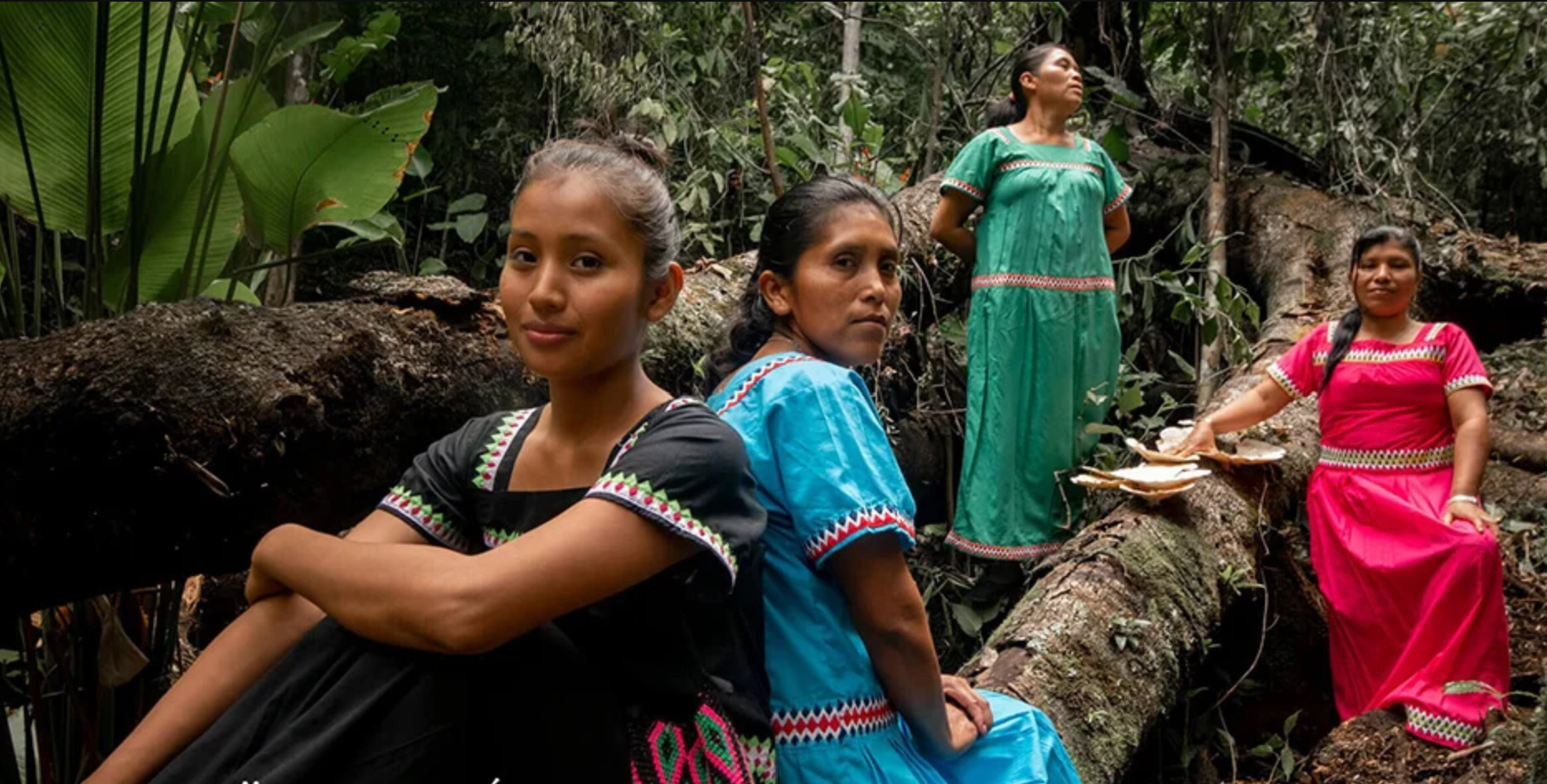
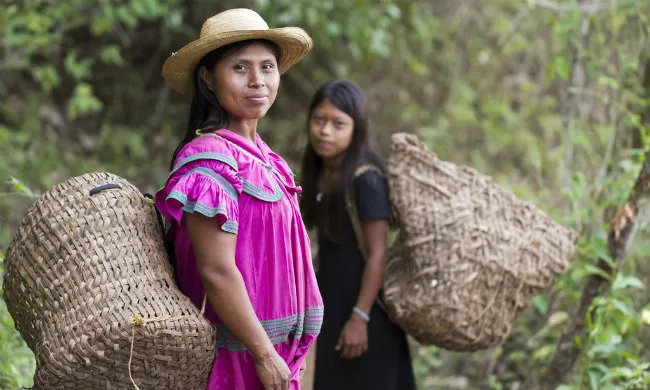
Ngäbe-Buglé women in traditional dress on San Cristóbal
The Ngäbe-Buglé, the island's first stewards.

The First Stewards, The Ngäbe-Buglé People

Tai Nuare is built upon ancestral Ngäbe-Buglé territory, received as the foundational truth of every decision made regarding this land. After 25 years of advocacy, the Ngäbe-Buglé secured their comarca in 1997, a 6,475 km² semi autonomous territory. Their crafts, cacao cultivation, oral traditions, and spiritual practices remain alive and intact.
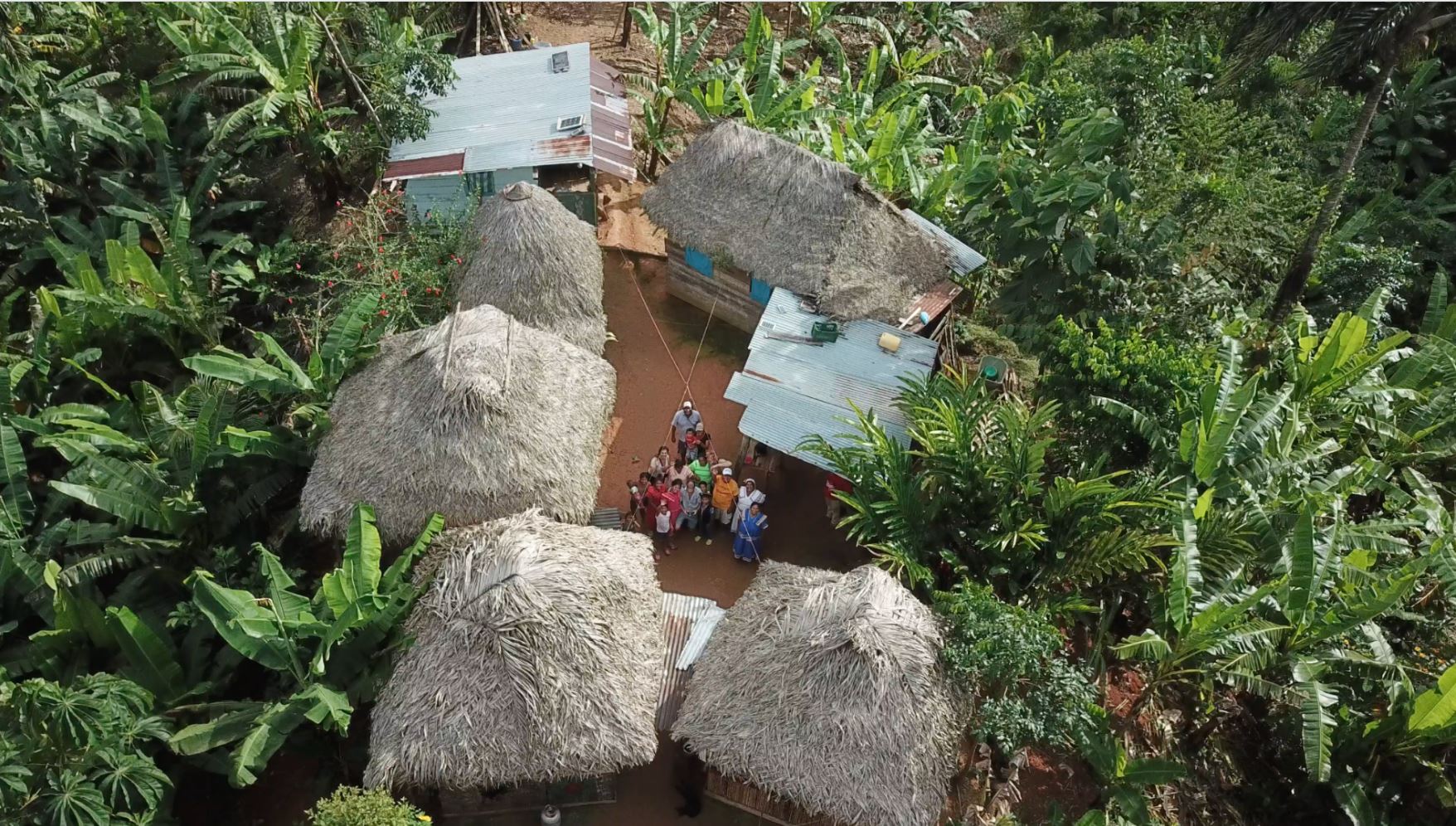
Ngäbe-Buglé women in nagua dresses

Living Culture

The nagua, worn daily, a living declaration of an unbroken identity.
Chácara weaving

Chácara Weaving

Hand knotted pita palm fiber, geometric patterns encoding lineage and land.
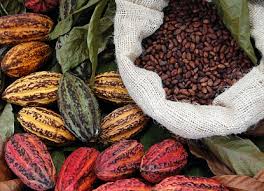
ÑöBä Chocolate Farm

ÑöBä Chocolate Farm

Community owned organic cacao, cultivated in these forests for generations.

Prior Consultation & Consent

No development or land use decision affecting the community proceeds without genuine prior dialogue.

Economic Inclusion

Ngäbe-Buglé artisans, cacao farmers, builders, and guides participate as valued partners, recruited into skilled roles across construction, hospitality, and land management.

Ecological Partnership

Generations of ecological knowledge inform the food forest, botanical gardens, and land restoration, with attribution and compensation.

The indigenous partnership also opens doors to preferential institutional funding sources most projects cannot access, see Development Strategy.

A Community That Has Signed On

The founder holds a strong, long standing relationship with the elders and the shaman of the island's indigenous community. The community is firmly in favor of the project: every adult has signed a petition in support of it. That endorsement gives Tai Nuare a genuine social license that few developments anywhere can claim, and it materially lowers the community and permitting risk that so often stalls projects of this kind.

The community is woven into Tai Nuare by design, not as a gesture. Their culture informs the theming and spirit of the place, and the project creates lasting opportunity for them through employment, food production and sales to the community, guided tours and cultural exchange, and a range of other roles. The relationship is reciprocal: the community helps shape Tai Nuare, and Tai Nuare helps sustain the community.

A community that has signed its name in support is the strongest foundation any project of this kind can stand on.

The Shaman's Living Pharmacy

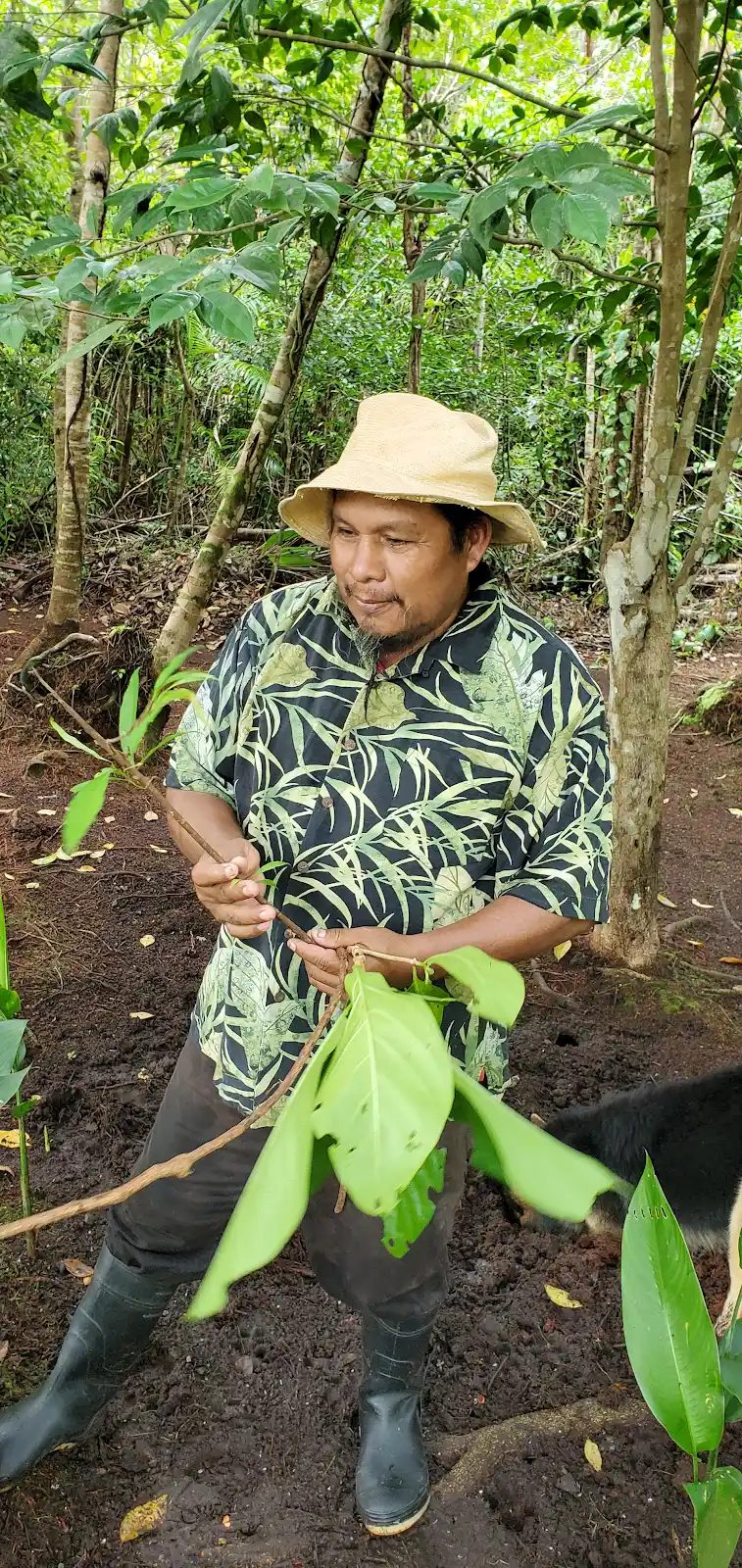
Saavedra, Tai Nuare's resident shaman and plant guardian, has walked the forests of Bocas del Toro his entire life. He leads guided walks through the peninsula's living pharmacy of medicinal plants, ancestral, embodied knowledge offered to stewards and guests through plant walks, ceremonial integration, and apprenticeship immersions.
The Wild Residents

Eight thousand years of island isolation have produced unique color morphs and endemic subspecies, the reason Bocas is called the Galápagos of Central America. The peninsula and its waters host 48+ signature species across four realms:
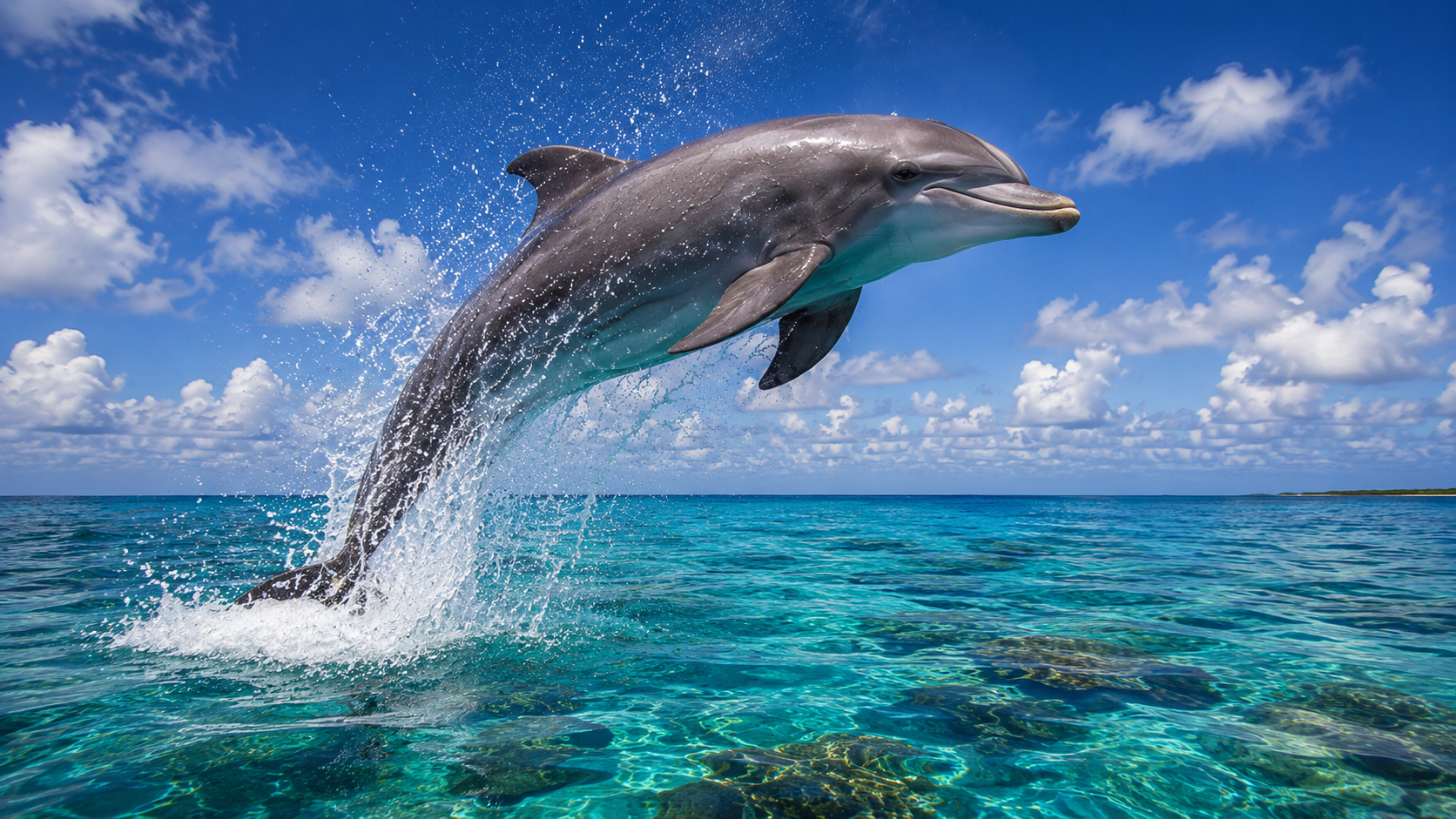
Bottlenose dolphin

Marine Realm

Resident dolphin pod, eagle rays, nurse sharks, 900 year old brain corals.
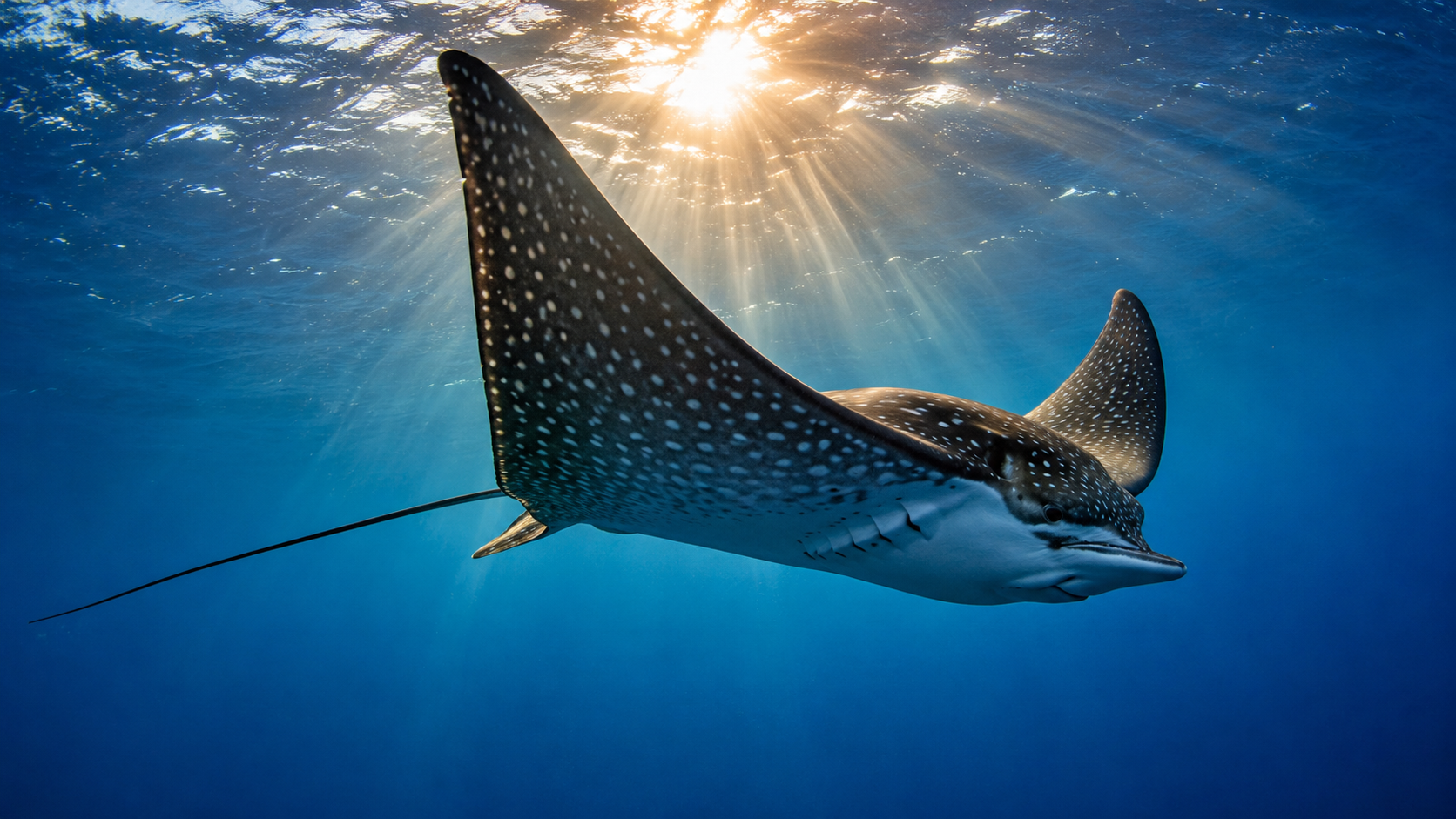
Spotted eagle ray

Reef Life

128 reef fish species documented across the archipelago; staghorn and elkhorn coral.
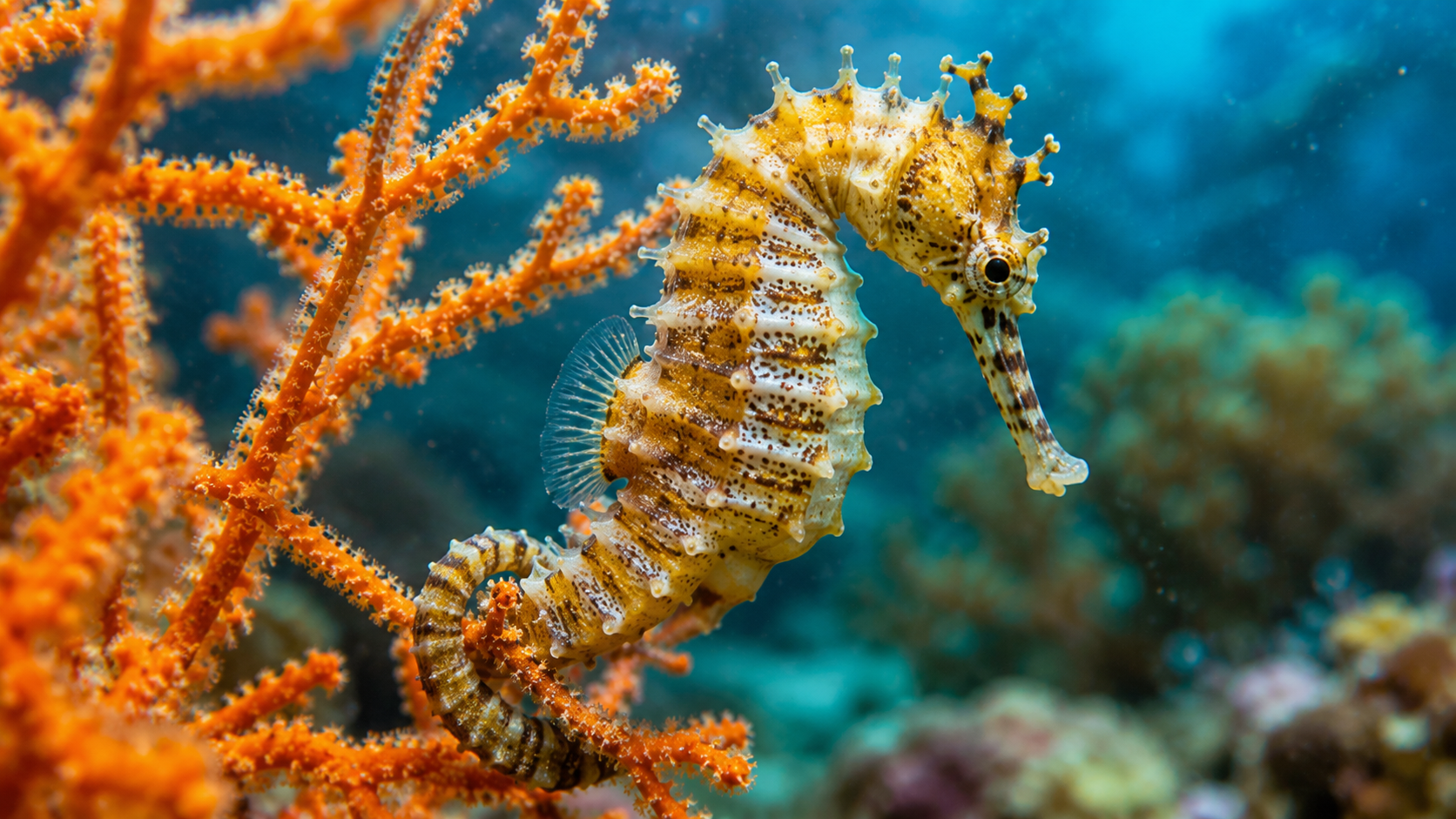
Lined seahorse

Seagrass Nurseries

Seahorses, turtles, and juvenile fish in carbon sequestering meadows.
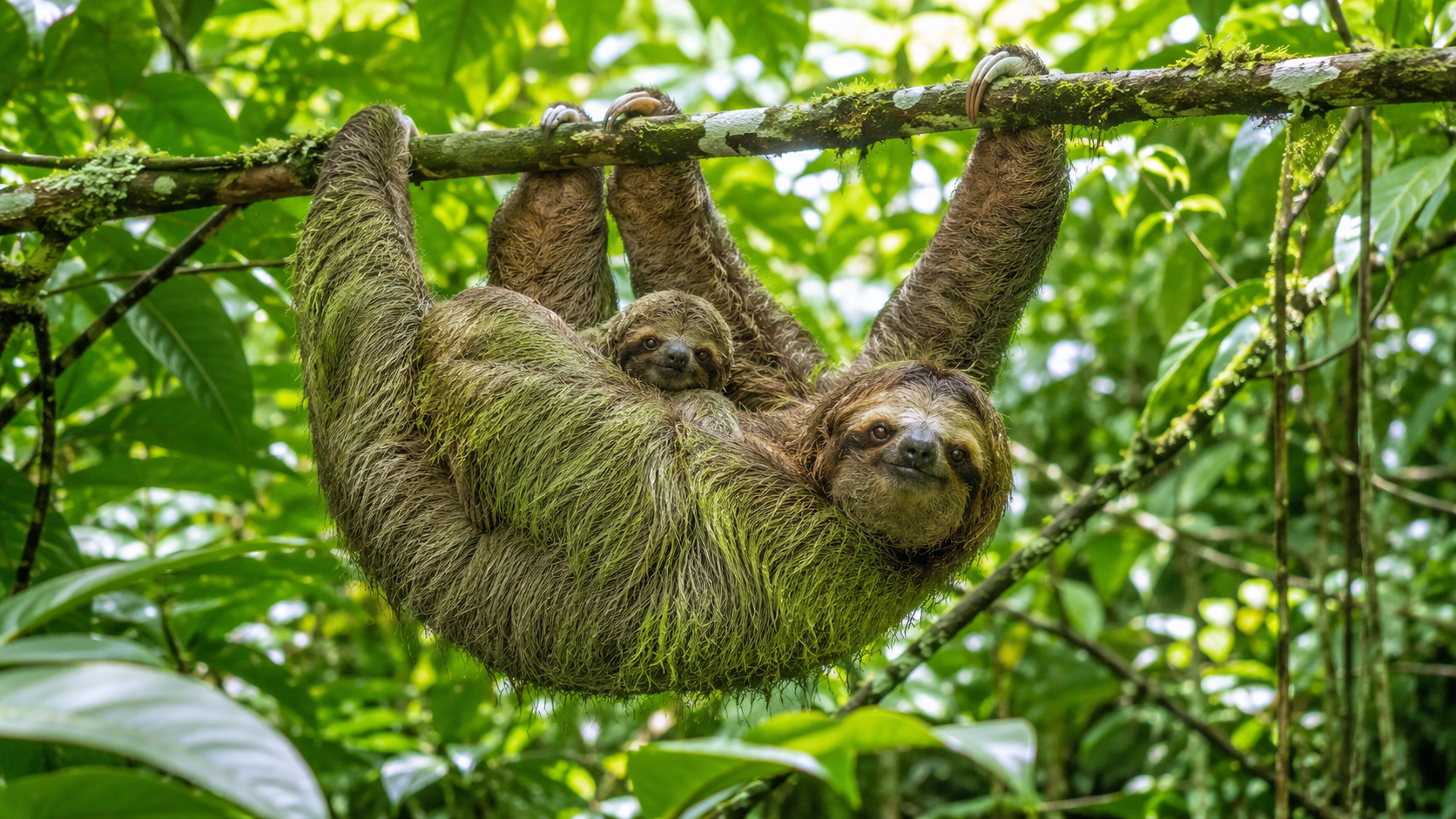
Three toed sloth in the rainforest canopy

Rainforest & Birds

Endemic pygmy sloth, howler monkeys, kinkajous, and 778 bird species regionally.